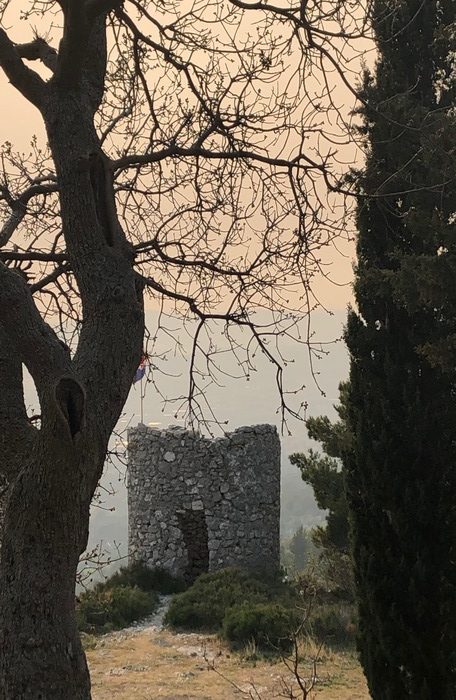
City of Kaštela
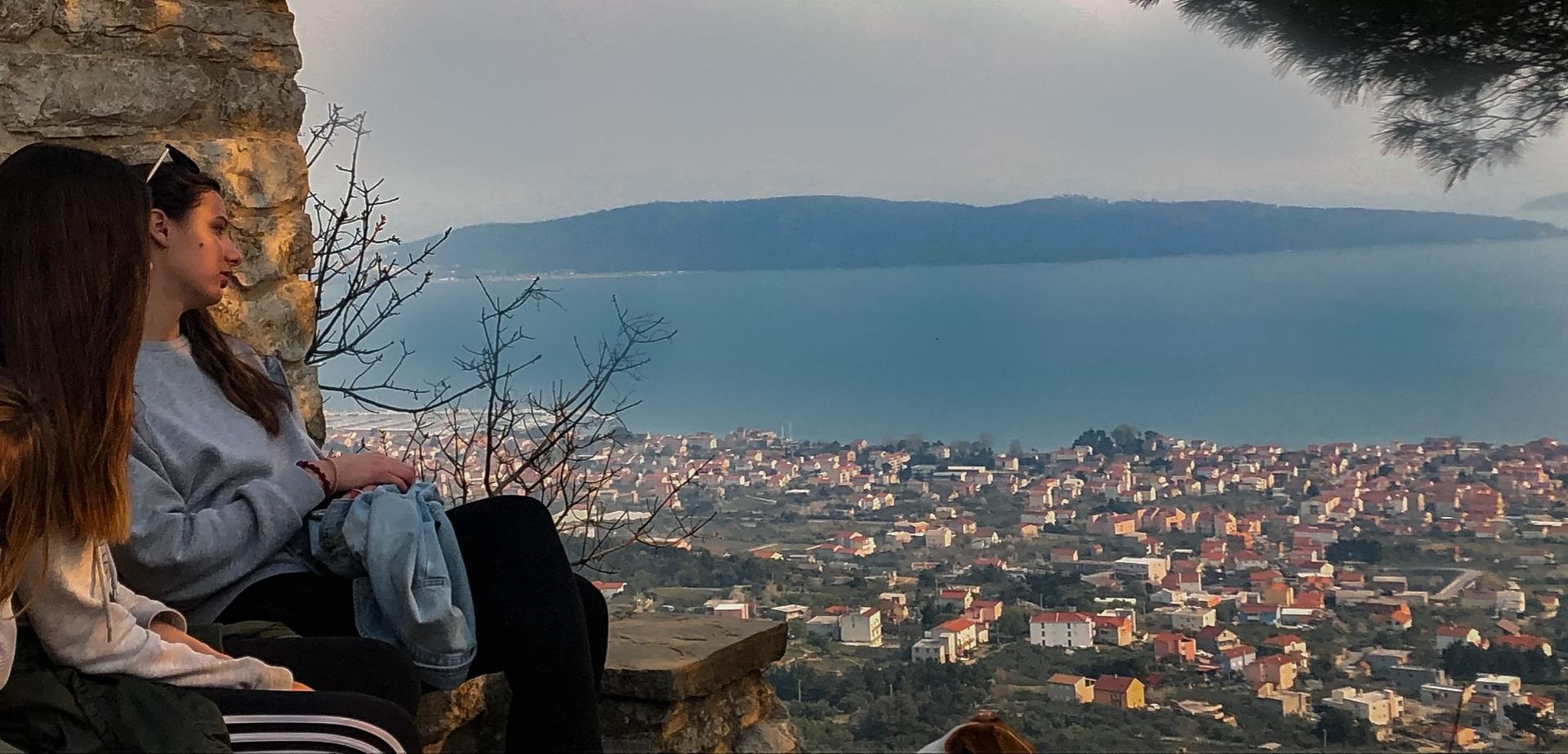
City of Kaštela
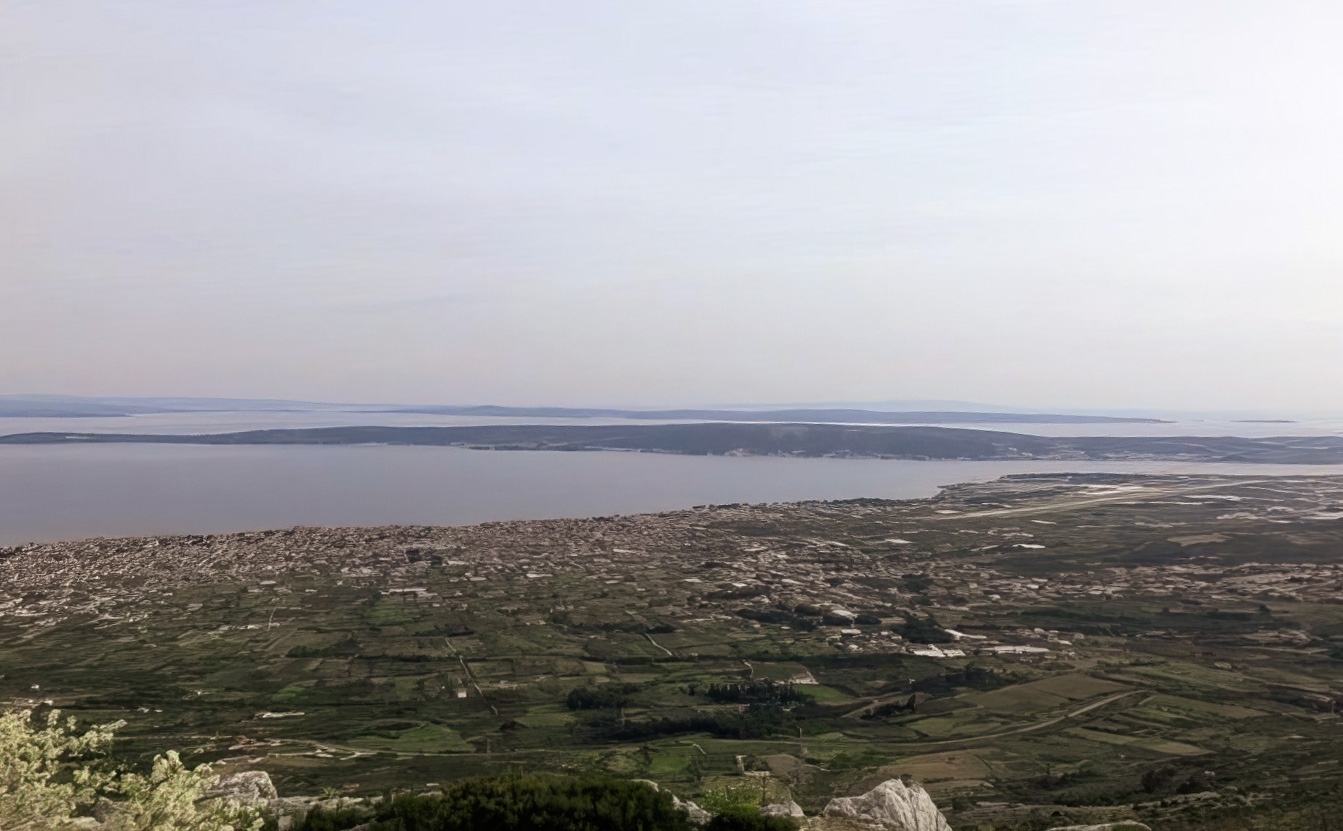
The town of Kaštela developed around seven castles and fortresses, forming one city. Each place has its own specific features that characterize this Mediterranean city.
During the 15th and 16th centuries, the nobles of Trogir and Split, together with the Church, built castles to protect their estates and population from attacks by the Turks. The walls of the fortresses facing the sea were built in the Renaissance style.
The town of Kaštela and its history
In order to protect their estates from the invasion of the Vlachs (semi-nomadic inhabitants of the Dalmatian hinterland), and later the Turks, the nobles of Trogir and Split began to build fortresses on the coast between these two cities in the 15th and 16th centuries. About twenty of them were built. Their goal was to protect the farmers and the harvested harvest. The most famous fortresses in Kaštela:
Lodi Family Castle in Nehaj
Stafileo Family Castle (Rotondo) in Kaštel Štafilić
Cipiko Family Castle (Čipiko) in Kaštel Stari
Vitturi Family Castle in Kaštel Lukšić
Rušinac Castle in Kaštel Lukšić
Cambi Tower in Kaštel Kambelovac
Kaštilac in Kaštel Gomilica
Kaštilac in Kaštel Sućurac

The legend of Miljenka and Dobrila
In the second half of the 17th century, two noble families lived in Kaštel Lukšić – the Vitturi family with their daughter Dobrila and the nobleman Adalberto Rušinić with his son Miljenko.
The handsome young man and the gentle girl fell passionately in love, and the family quarrel between their fathers over feudal rights over the peasants forced them to meet and love in secret. They were helped by their maid Antica. However, their parents somehow found out about their relationship and, in order to separate them, they placed Dobrila under the strict supervision of their mother, Countess Marija, while Miljenko, on the advice of the lawyer Dorothea, was sent to Venice, to the service of the Doge.
Sights
U Kaštel Štafiliću raste maslina (olea europea) koju Kaštelani zovu Mastrinka. Stara je preko 1500 godina Hrast medunac (quercus pubescens willd) koji se nalazi pokraj romaničke crkvice sv. Kuzme i Damjana u Kaštel Gomilici, svojom ljepotom i veličinom privlači pozornost svih posjetitelja ovog starog kaštelanskog okružja.
Park oko hotela “Palace” u Kaštel Starom kojeg je 1910. godine utemeljio dr. Petar Kamber, nekadašnji vlasnik hotela i zaljubljenik u Kaštela.
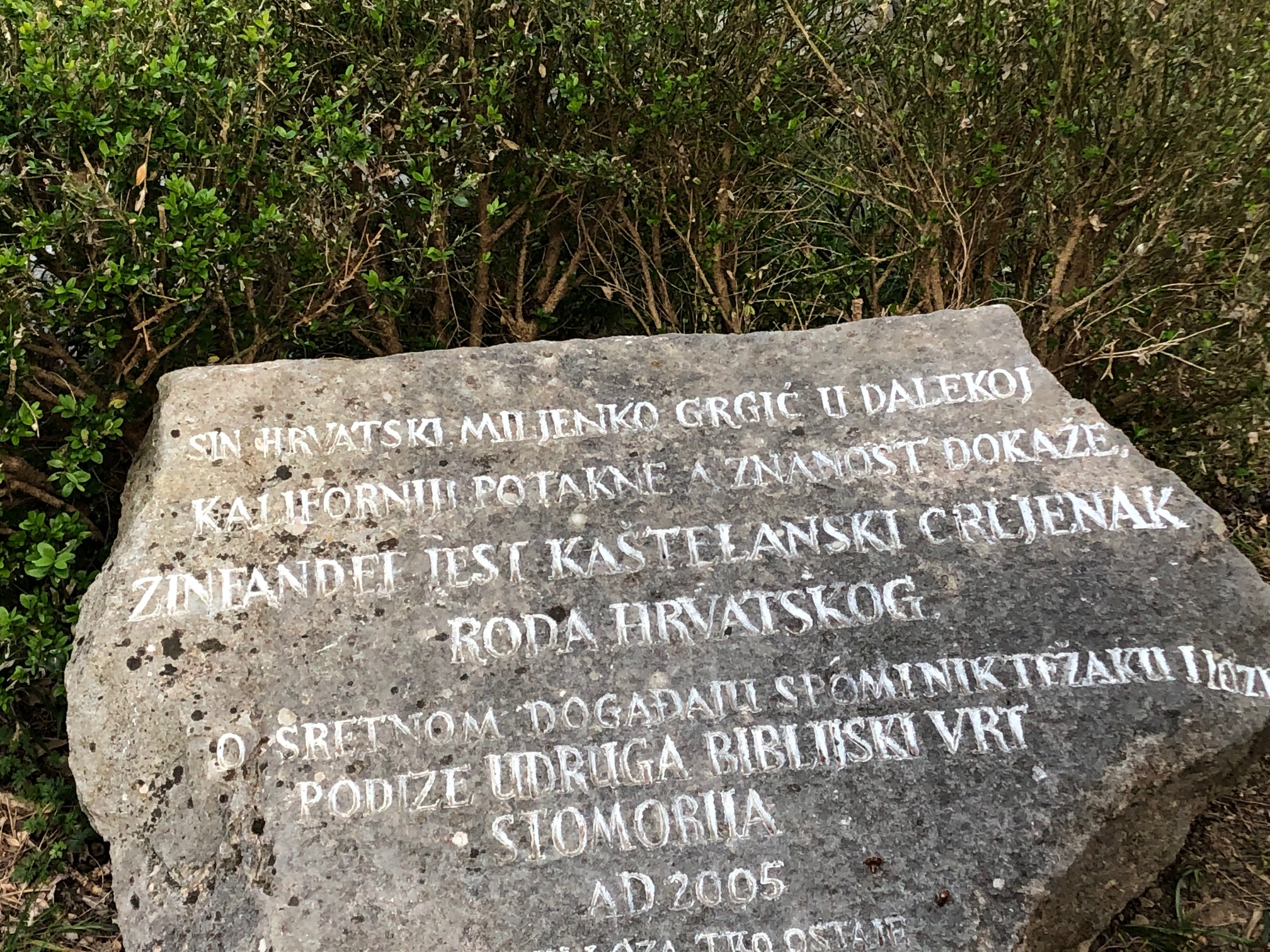
On the eastern slopes of Kozjak, in Kaštel Sućurac, there is the Kaočina grove, a unique example of perfectly preserved tall macchia and other autochthonous species in terms of vegetation and floristry. Biblical Garden. Botanical Garden in Kaštel Lukšić. The fortress in Kaštel Gomilica was chosen for filming the fourth season of the popular television series Game of Thrones.
On the slopes of Kozjak, above Kaštel Novi, grows the indigenous grape variety Kaštelanski Crljenak, which is the ancient ancestor of the famous Californian variety Zinfandel.