CITY OF BOL
History of the Town
The town of Bol originated on the site of a Roman settlement (early Christian sarcophagi and the remains of a Roman water reservoir above Zlatni Rat); in 827, it was destroyed by the Saracens.
It was first mentioned as a locality in 1184 in the Povlja Charter, drawn up in the building of the so-called Bishopric (the Dominican monastery).
As a settlement, Bol was first mentioned on October 10, 1475, in a deed of donation by which Prince Zacharia granted the Glavica peninsula to the Dominicans.
The name most likely originated from a combination of the Romance appellative vallum and the Slavic word obala.
From the early Croatian period, fragments of interlace ornamentation have been preserved in the Church of St. John (probably from the 11th century) and in the wall surrounding the Dominican monastery.
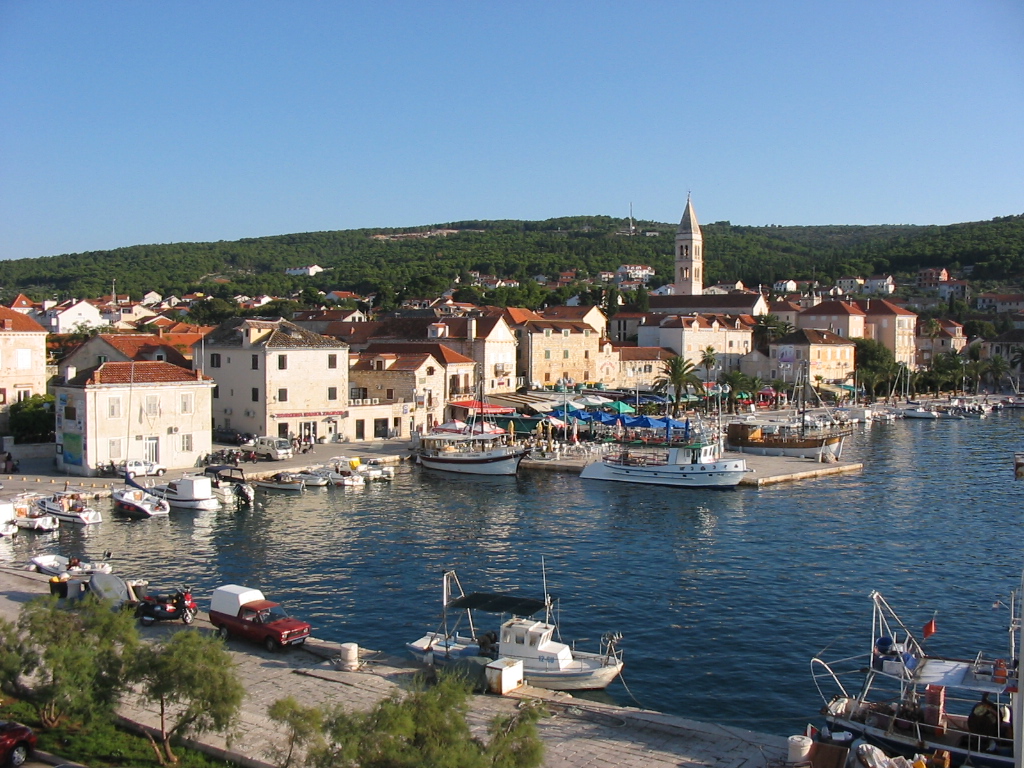
In the 15th century, a castle was built by the pier, featuring richly decorated Gothic windows on its southern façade. The Jeličić family house dates from the Renaissance period, from the early 17th century.
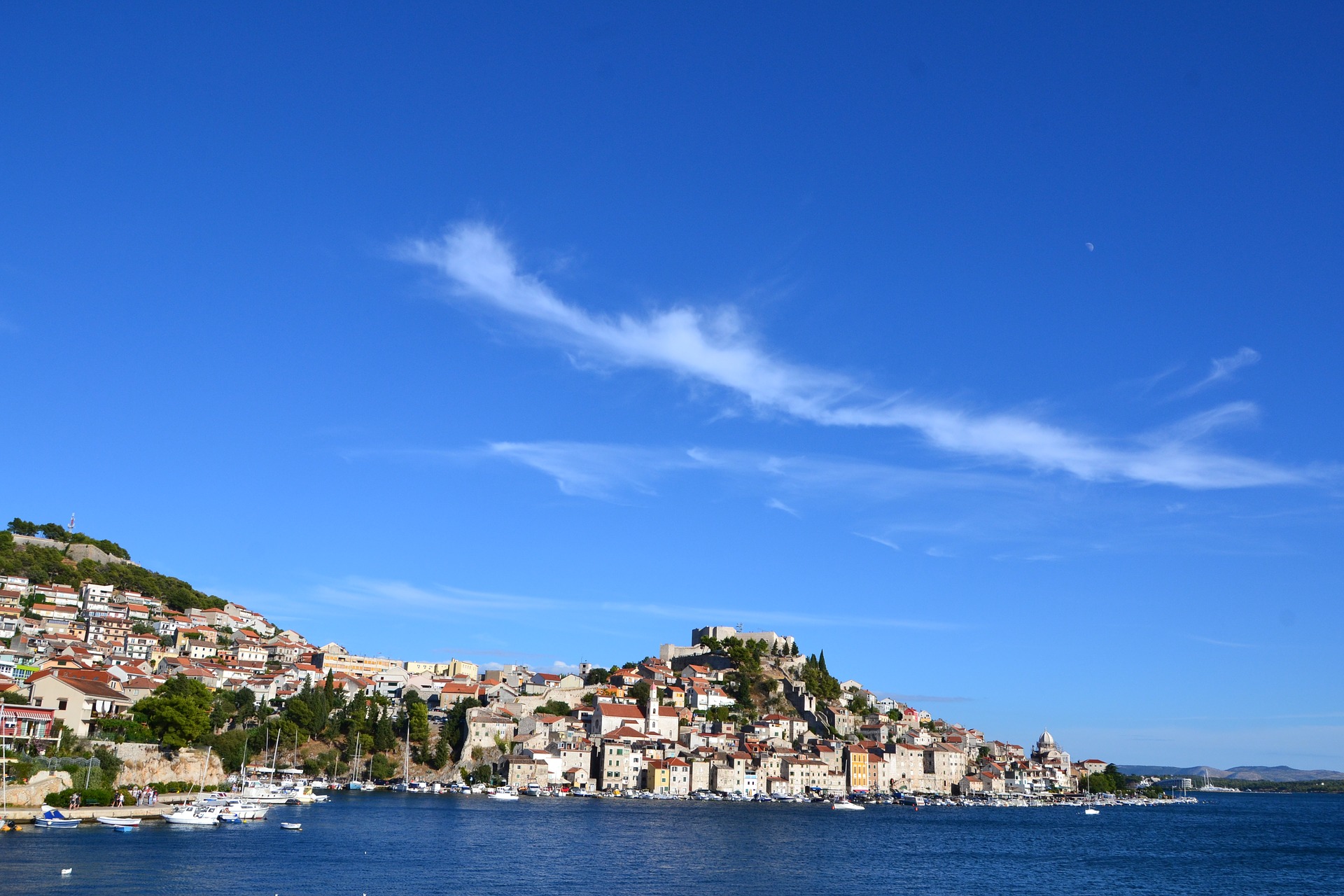
The Town of Bol and Its Cultural and Artistic Heritage
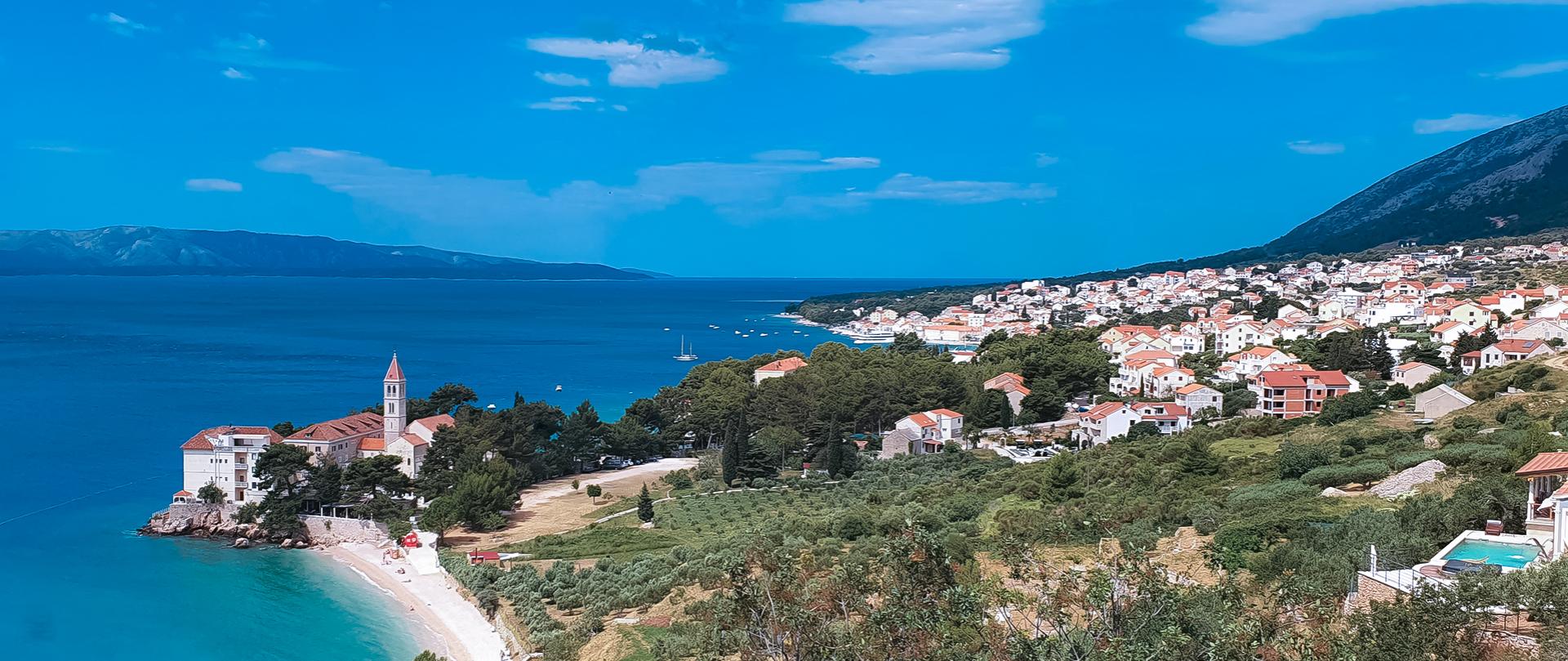
Special mention should be given to the complex of the Dominican monastery on Glavica. In the bishop’s palace, the Dominicans established a monastic community and sought a site for the construction of a monastery and a church. In 1475, they built the monastery and a new church dedicated to Our Lady of Mercy.
The inhabitants of Bol financed the construction of a new northern nave at their own expense. The bell tower adjacent to the church was completed in the mid-18th century. On the main altar, a prominent painting of the Virgin and Child surrounded by saints associated with the history of the church and the Dominican Order is displayed. This painting was created in 1563 in the workshop of the Venetian painter Jacopo Tintoretto.
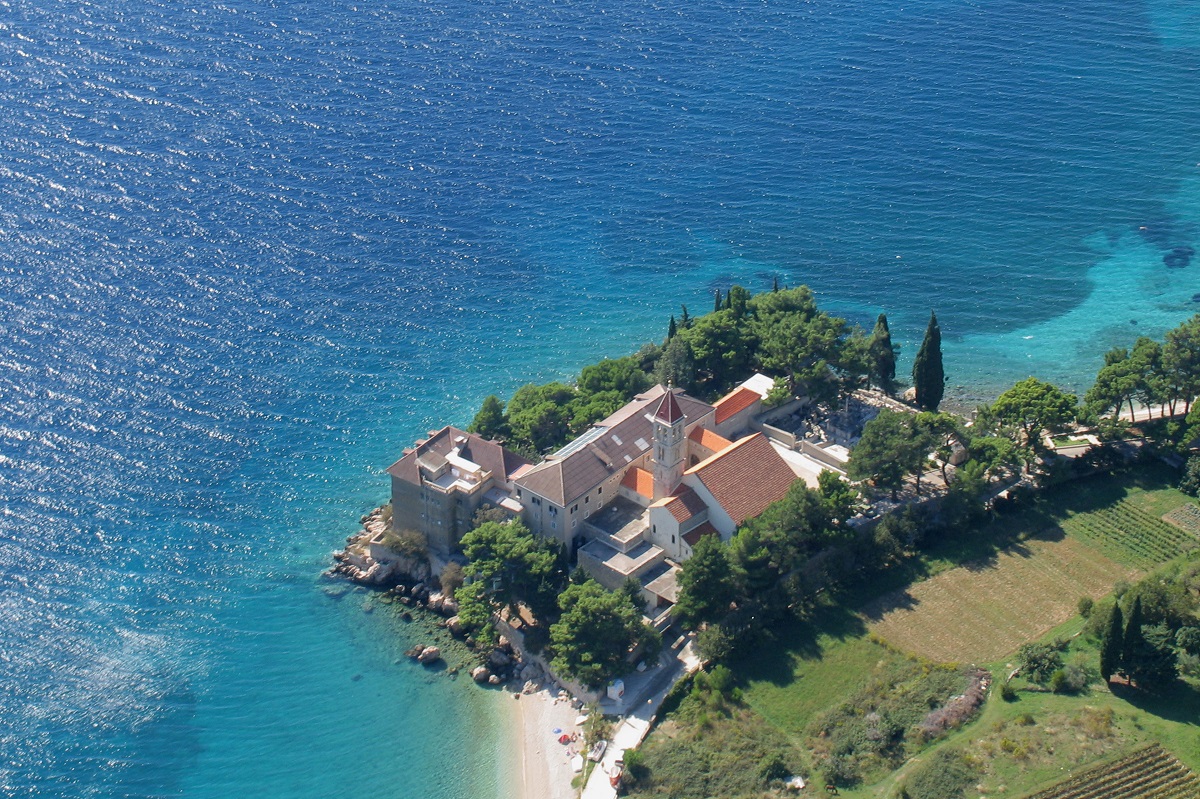
Landmarks of the Town of Bol
Bol offers a wide range of gastronomic options, several clubs, and numerous sports facilities.
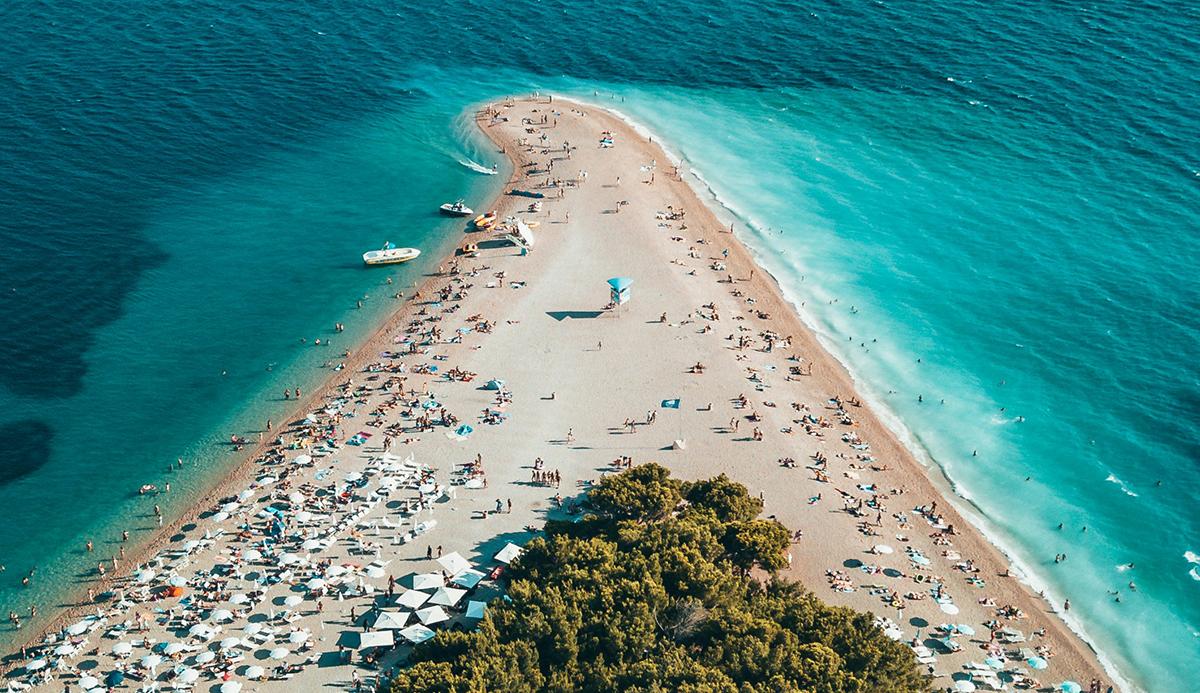
In addition to its strong cultural identity and long history—reflected in the archaeological collection housed in the museum within the beautiful Dominican Monastery—Bol also attracts visitors with its scenic coastline, highlighted by the famous tourist attraction: Zlatni Rat Beach.
Bol is connected to the mainland by catamaran lines, and the Brač Airport is located nearby. While on Brač, visitors should also explore interesting sites such as the Dragon’s Cave (Zmajeva špilja) and the Blaca Hermitage.
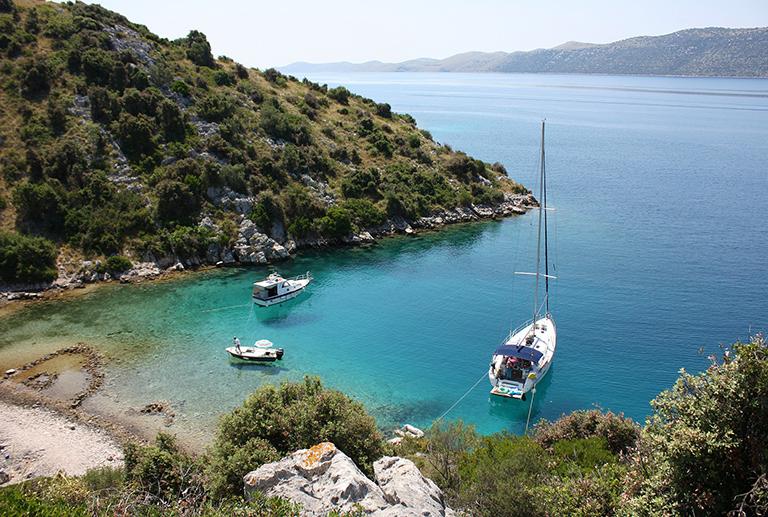
Bol is well worth visiting for its historical and cultural landmarks. We recommend visiting the museum in the Dominican Monastery, the Branislav Dešković Gallery, and touring the ancient churches.
During the tourist season, Bol also offers a rich cultural and entertainment program (Bolsko Ljeto), including concerts, events, exhibitions, fishermen’s nights, and other activities.
For recreation, visitors can enjoy cycling and walking trails, water sports, and views of the nearby islands from Vidova Gora, which at 778 meters above sea level is the highest peak of the Adriatic islands.